
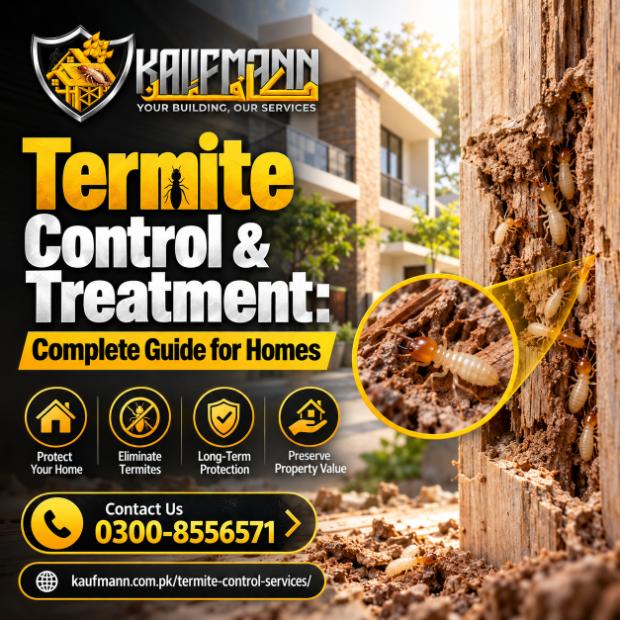
Termite control and termite treatment are two of the most searched solutions once homeowners notice hollow-sounding wood, mud tubes along a wall, or discarded wings near a windowsill. Termites work silently, often for months, before the damage becomes visible — which is exactly why understanding termite control services, termite spraying, deemak spray, termite proofing, and anti termite treatment matters before the problem grows out of control.
This guide walks through how termites damage a property, the treatment options available, and how to choose the right approach for your home.
Why Termite Damage Goes Unnoticed for So Long
Termites, known locally as deemak, feed on wood, paper, and cellulose-based materials from the inside out. A wooden beam or door frame can look completely normal on the surface while being hollow underneath — which is why most termite control problems are only discovered once the damage is already significant.
Common early warning signs include:
- Hollow-sounding wood when tapped
- Mud tubes running along walls, foundations, or wooden structures
- Discarded wings near windows and doors, especially after rain
- Small holes or blistering in wooden furniture and flooring
- A soft or crumbling texture in wood that should be solid
If any of these signs appear, it’s usually time to look into termite treatment rather than waiting for more visible damage.
What Is Termite Control?
Termite control refers to the overall approach used to manage, eliminate, and prevent termite infestations in and around a property. It isn’t a single action — it typically combines inspection, active treatment, and long-term prevention working together.
Effective termite control generally includes:
- Identifying the termite species and the extent of the infestation
- Applying a treatment method suited to the property type
- Sealing entry points to prevent future access
- Monitoring the property periodically after treatment
Treating termites as a one-time event, rather than an ongoing plan, is one of the most common reasons infestations return within a year or two.
Termite Treatment: The Core Methods
Termite treatment covers the actual techniques used to eliminate termite colonies once they’re identified. The right method depends on the type of termite, the extent of the infestation, and whether the property is residential or commercial.
Liquid Termite Treatment
A liquid solution is applied to the soil around and beneath a structure’s foundation, creating a treated barrier that termites can’t cross without being affected. This is one of the most common approaches for existing homes.
Deemak Spray
Deemak spray is used for direct, localized treatment — targeting spots where termite activity is visible or suspected, such as wooden furniture, door frames, or skirting boards. It works well for smaller, contained infestations where a full structural treatment isn’t necessary.
Bait Systems
Bait stations are placed strategically around a property. Termites feed on the bait and carry it back to the colony, gradually eliminating the entire nest rather than just the termites that are visible above ground.
Wood Treatment
For furniture, beams, and structural wood, a direct wood treatment can be applied to protect the material itself, killing existing termites within the wood and deterring new activity.
Termite Spraying: When and How It’s Used
Termite spraying is often the first response once termite activity is confirmed. Unlike a general pesticide spray, termite-specific spraying targets termite biology directly, since termites don’t respond to standard insect sprays the way other pests do.
Termite spraying is typically used for:
- Treating visible termite trails and mud tubes
- Spot-treating furniture or wooden fixtures with early signs of activity
- Reinforcing protection around doors, windows, and skirting boards
- Supporting a larger termite treatment plan alongside soil or bait treatment
For a widespread or deep-rooted infestation, spraying alone is rarely enough — it works best as part of a combined termite control strategy.
Termite Proofing: Protecting a Property Before Damage Starts
Termite proofing is a preventive treatment applied before termites become a visible problem — most commonly during construction, but also applicable to existing buildings.
Pre-Construction Termite Proofing
Applied to the soil and foundation before a building is completed, pre-construction proofing creates a long-term barrier against termite entry from the ground up. This is generally the most effective and long-lasting form of protection, since it treats the structure before termites have any opportunity to establish themselves.
Post-Construction Termite Proofing
For existing homes and buildings, termite proofing can still be applied around the foundation, entry points, and vulnerable wooden structures. While it doesn’t offer quite the same coverage as pre-construction treatment, it significantly reduces the risk of future infestation.
Anti Termite Treatment for Existing Infestations
Anti termite treatment refers to the active elimination process once termites are already present, as opposed to purely preventive measures. This usually combines several methods:
- Locating the colony or nesting area, not just the visible activity
- Applying liquid treatment, bait systems, or deemak spray depending on severity
- Treating affected wood directly to stop internal damage
- Sealing cracks and gaps that provide termite access
A thorough anti termite treatment plan doesn’t just remove the termites causing visible damage — it addresses the colony itself, which is what prevents the infestation from simply returning a few months later.
Termite Control Services: DIY vs Professional Help
Some termite problems can be managed with over-the-counter sprays and basic prevention. Others need a more structured approach.
DIY methods can help when:
- Activity is limited to a small area, like one piece of furniture
- The infestation has just been noticed and hasn’t spread
- The property has no history of previous termite damage
Professional termite control services make more sense when:
- Mud tubes or termite trails appear on walls or foundations
- Multiple areas of the property show signs of activity
- A previous DIY treatment hasn’t stopped the problem
- The property is being constructed and needs pre-construction proofing
- A commercial building needs a structured, documented treatment plan
Professional termite control services typically start with a full property inspection, identify the termite species and colony location, and apply a combination of treatments — rather than relying on a single spray and hoping it’s enough.
How Often Should Termite Treatment Be Reviewed?
Even after successful treatment, termites can return if new colonies form nearby or if untreated wood is brought onto the property. A periodic inspection — generally once a year for most homes — helps catch new activity early, before it turns into a repeat infestation.
Features to Look For in a Termite Control Service
When comparing termite control services, a few things are worth checking:
- A proper inspection before recommending any treatment
- A combination of liquid treatment, baiting, and deemak spray as needed
- Pre- and post-construction termite proofing options
- Safe, approved products suitable for homes with children and pets
- A follow-up visit to confirm the treatment has worked
Frequently Asked Questions
Q1: What is the difference between termite control and termite treatment?
Termite control refers to the overall strategy — inspection, treatment, and prevention combined — while termite treatment refers specifically to the methods used to eliminate an active infestation, such as liquid treatment, deemak spray, or bait systems. Most effective plans use both together.
Q2: Is deemak spray enough to get rid of termites completely?
Deemak spray works well for small, localized infestations, such as a single piece of furniture or a specific spot showing early activity. For larger or deep-rooted infestations, it’s usually combined with liquid soil treatment or bait systems as part of a complete anti termite treatment plan, since spraying alone may not reach the full colony.
Q3: Is termite proofing necessary if I don’t see any termites yet?
Yes. Termite proofing is a preventive measure, most effective when applied before any visible damage occurs — particularly during construction. Since termites can cause significant internal damage before becoming visible, proofing an unaffected property is generally far more cost-effective than treating one after an infestation has already taken hold.
Protect Your Property with Professional Termite Control
Termite damage often goes unnoticed until it’s already extensive, which is why early inspection and the right combination of treatment matter more than any single spray. Whether you need termite spraying for a specific problem area or complete termite proofing for a new build, a proper inspection is always the right first step.
Learn more about our services: Kaufmann Enterprises
Recent Comments