
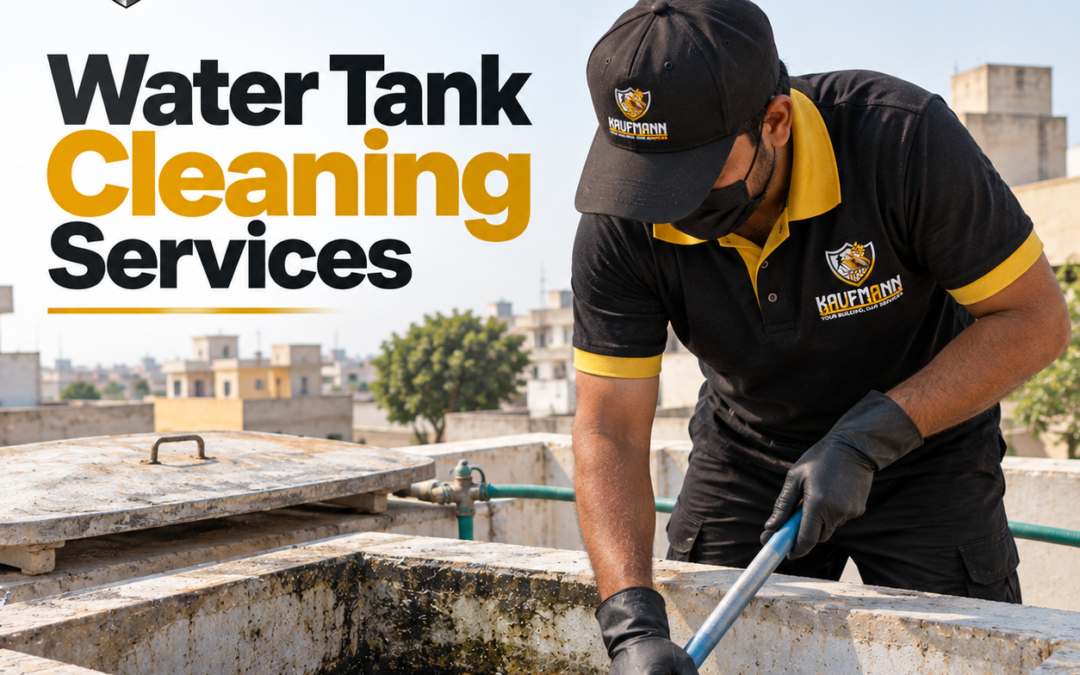
Water tank cleaning is one of the most overlooked parts of home maintenance, yet it directly affects the water your family drinks, cooks with and bathes in. Whether you are searching for water tank cleaning services, a water tank cleaning company or the best way to clean a water tank yourself, this guide explains what to do, how often to do it and what to look for in a professional service.
Why Water Tank Cleaning Matters
Water sitting in a tank for weeks slowly collects dust, sand, rust flakes, insects and organic matter. Sunlight and warmth can encourage algae and bacterial growth, especially in an overhead tank on a roof. Even if the water looks clear, the tank walls and floor may hold a layer of sludge that you cannot see.
Regular tank cleaning helps you:
- Reduce sediment, sludge and bad odours in your water supply
- Lower the risk of contamination from bacteria and algae
- Protect pipes, taps, geysers and filters from clogging
- Extend the life of the tank itself
- Give your family peace of mind about everyday water use
Unclean tanks are also linked to skin irritation, stomach problems and other waterborne illnesses, which is why health experts generally recommend routine cleaning.
Signs Your Water Tank Needs Cleaning
Do not wait for a problem to appear. Watch for these warning signs:
- Cloudy, yellow or brown water coming from taps
- Unpleasant smell or taste, such as a musty or earthy odour
- Green slime or algae on the inside walls or under the lid
- Sediment or grit at the bottom of a glass or filter
- Dead insects, lizards or debris floating inside
- Frequently blocked filters or reduced water pressure
- A tank that has not been cleaned for six months or more
If you notice more than one of these, it is time to book a water tank cleaning service or clean the tank safely.
How Often Should You Clean a Water Tank?
The most common recommendation is to clean a household water tank at least every six months. Some situations call for more frequent cleaning:
- Overhead tanks in hot climates, where heat speeds up algae growth
- Underground tanks, which can collect groundwater seepage and dirt
- Tanks filled by tankers or borewells, where the water quality varies
- Large families or commercial buildings, where water use and turnover are high
- Newly built or newly moved-into properties, where construction dust may have settled inside
For apartments, offices, schools and factories, a scheduled cleaning plan works better than waiting for complaints.
Seasonal Tips for Water Tank Cleaning
Timing matters as much as frequency.
Summer: High temperatures encourage algae and bacteria. Clean the tank before peak summer and make sure the lid fits tightly so sunlight and insects stay out.
Monsoon: Heavy rain can bring dirt, roof runoff and contaminants into the system. Clean the tank once the rainy season ends and check the inlet pipes for damage.
Before winter: A pre-winter clean removes the sediment built up over summer and monsoon so the tank starts the cooler months fresh.
Before Ramadan or big family gatherings: Water use rises, so a clean tank helps ensure every family member drinks safe water.
After renovation or construction: Dust and debris often enter open tanks, so a thorough cleaning is worth doing straight afterwards.
Water Tank Cleaning Process: Step by Step
Professional water tank cleaning services usually follow a structured process. Here is how it typically works:
1. Inspection. The technician checks the tank type, size, material, lid, vents and overall condition.
2. Draining. The tank is emptied completely, and the water is discharged safely away from the property.
3. Scrubbing and sludge removal. Walls, corners and the floor are scrubbed to loosen algae, rust and hardened deposits. Sludge is then removed from the bottom.
4. High-pressure washing. Pressure washing reaches areas that manual scrubbing can miss, leaving clean surfaces.
5. Disinfection. A suitable disinfectant is applied to kill bacteria and other microorganisms. The dosage and contact time depend on the tank size and condition, which is why professional guidance is safer than guessing.
6. Rinsing. The tank is rinsed thoroughly until no cleaning residue remains.
7. Final check and refilling. The technician checks the lid, vent and pipes, then the tank is refilled with clean water.
Water Tank Cleaning Techniques and Methods
Different tanks need different approaches:
- Manual cleaning works for smaller overhead tanks that are easy to reach and scrub.
- Mechanical or pressure cleaning suits large, underground or heavily contaminated tanks.
- Chemical disinfection follows physical cleaning to remove microorganisms.
- Vacuum-based sludge removal helps in deep or hard-to-access tanks.
Concrete, plastic and steel tanks each have their own needs. For example, plastic tanks can be damaged by harsh scrubbing tools, while concrete tanks may hold deposits in rough surfaces.
Can You Clean a Water Tank Yourself?
Small, accessible tanks can be cleaned at home if you take proper care. Wear gloves and a mask, keep the space well ventilated and never mix cleaning chemicals, especially bleach with other products. Do not enter a deep underground tank alone, because confined spaces can be dangerous.
For large, deep or heavily contaminated tanks, professional water tank cleaning services are the safer and more thorough option. They bring the right equipment, trained staff and a proper disinfection process.
Water Tank Cleaning Cost: What Affects the Price?
Prices vary from one provider and location to another, so it is best to ask for an estimate. The main factors are:
- Tank size and capacity
- Tank type, such as overhead, underground, concrete or plastic
- Condition of the tank, including how much sludge has built up
- Ease of access to the tank and rooftop
- Number of tanks in the property
- Type of property, whether residential, commercial or industrial
- Extra services, such as repairs or waterproofing
A clear, upfront quote with no hidden charges is a good sign when comparing water tank cleaning companies.
How to Choose a Water Tank Cleaning Company
Look for a provider that offers:
- Trained, experienced technicians who understand tank hygiene
- A clear cleaning and disinfection process
- Safe, suitable products for drinking water tanks
- Transparent pricing and a written estimate
- Service for both homes and commercial properties
- Good customer reviews and responsive support
- Local availability so you can find water tank cleaning near you quickly
Ask questions before booking. A trustworthy company will happily explain its methods.
Benefits of Professional Water Tank Cleaning
- Cleaner, better-tasting water for drinking and cooking
- Reduced health risks from bacteria, algae and sediment
- Protection for appliances like water heaters, washing machines and filters
- Longer tank life, since regular cleaning prevents buildup and corrosion
- Time saved, because professionals finish the job quickly and thoroughly
- Consistent maintenance, with a schedule you can rely on
Tips to Keep Your Water Tank Clean Between Services
- Keep the lid tightly closed and in good condition
- Cover vents with fine mesh to keep out insects
- Place the tank away from direct contamination sources
- Do not store chemicals or debris near the tank
- Avoid letting water sit unused for long periods
- Check the tank every month for slime, smell or debris
- Keep a cleaning schedule and note the date after each service
Frequently Asked Questions
Q1: How often should I book water tank cleaning services?
Most households should book water tank cleaning at least once every six months. If your tank is on a hot roof, is underground or is filled from a tanker, cleaning every three to four months may be a better idea.
Q2: How much does water tank cleaning cost?
The water tank cleaning cost depends on the tank size, type, condition and access. Because these factors differ from property to property, a professional inspection or estimate gives the most accurate price.
Q3: Is it safe to drink water right after tank cleaning?
Yes, when the tank is properly rinsed after disinfection and no cleaning residue remains. A professional water tank cleaning company will rinse and check the tank before refilling. If you clean it yourself, rinse it more than once and follow product instructions carefully.
Book Water Tank Cleaning Services with Kaufmann Enterprises
A clean tank means safer water and a healthier home. Kaufmann Enterprises Pvt. Ltd. has served homes and businesses since 2006, and offers water tank cleaning services in Islamabad, Rawalpindi, Lahore, Karachi, Hyderabad and Multan.
Book your service today: https://kaufmann.com.pk/water-tank-cleaning-services/
Call or WhatsApp (Islamabad, Rawalpindi & Karachi): 0300-8556571
Lahore: 0300-4005021
Recent Comments